
Cat Feeding
A Cat’s Mealtime Speed Is Worth Observing Before Changing the Bowl
Observe how and where your cat eats, note changes and discuss concerns with a vet before assuming a new feeding bowl will solve them.

Thoughtful reading on cats, daily care and the Burmese breed.
Observe how and where your cat eats, note changes and discuss concerns with a vet before assuming a new feeding bowl will solve them.

Prepare a cat-sitting handover with the actual feeding routine, access details, veterinary contacts and a clear way to report changes while you are away.
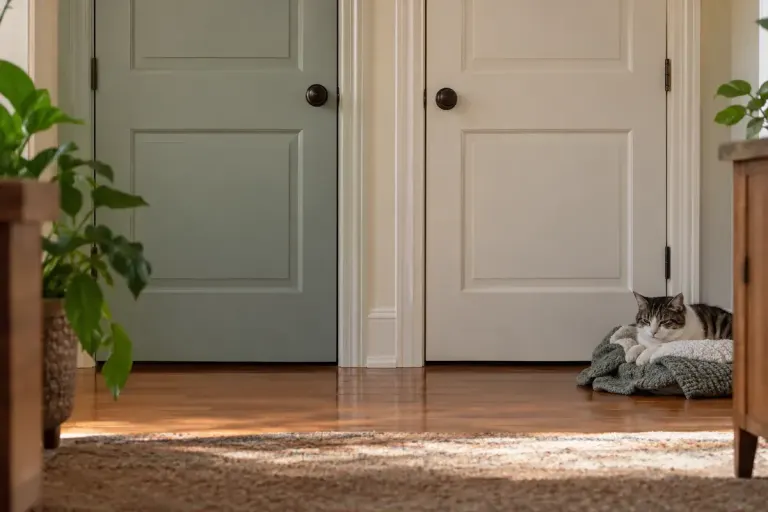
Introduce a new cat gradually through separate space and scent exchange, watching each cat’s response before moving towards shared access.
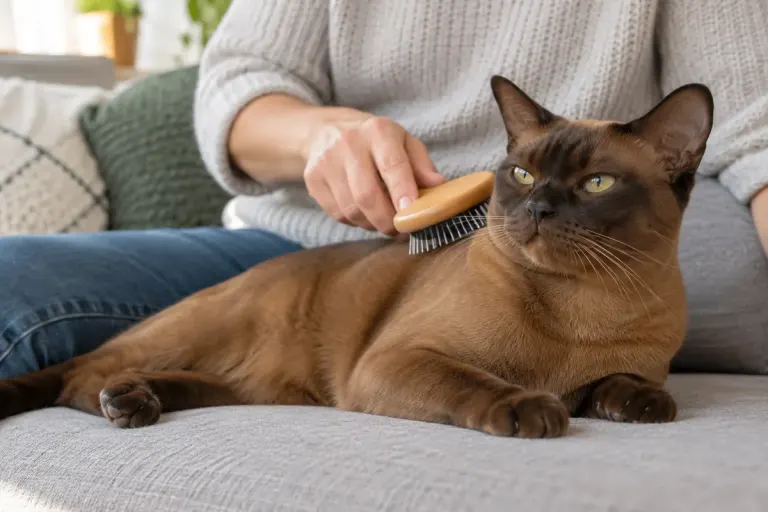
Introduce a grooming brush gradually, watch your cat’s response and stop before a short practice turns into a struggle.
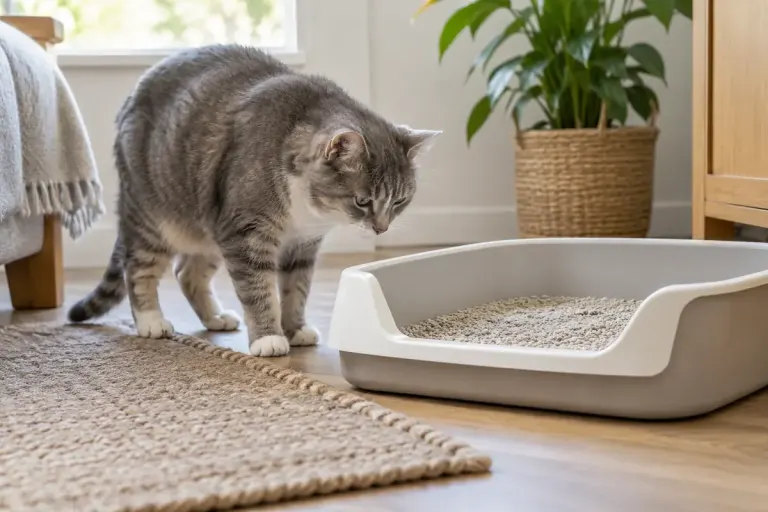
Review the route, entry height and placement of an older cat’s litter tray, while asking a vet about new toileting or mobility changes.
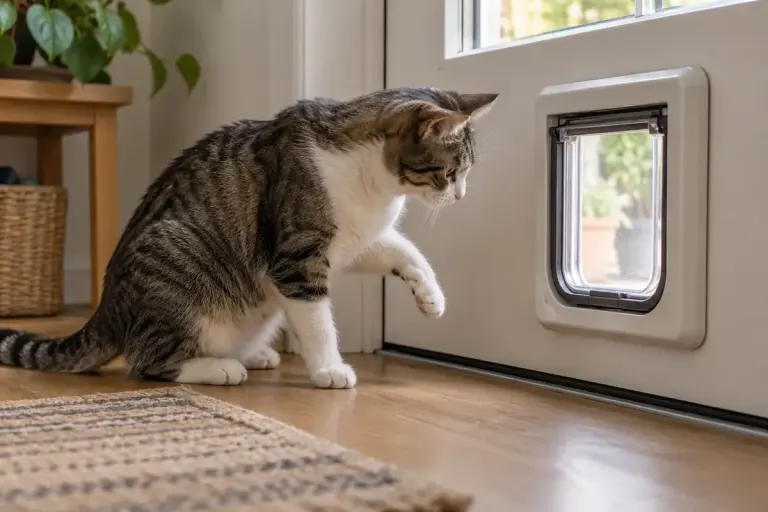
Introduce a cat flap gradually in a safe setting and keep another reliable access route available while your cat learns how it works.
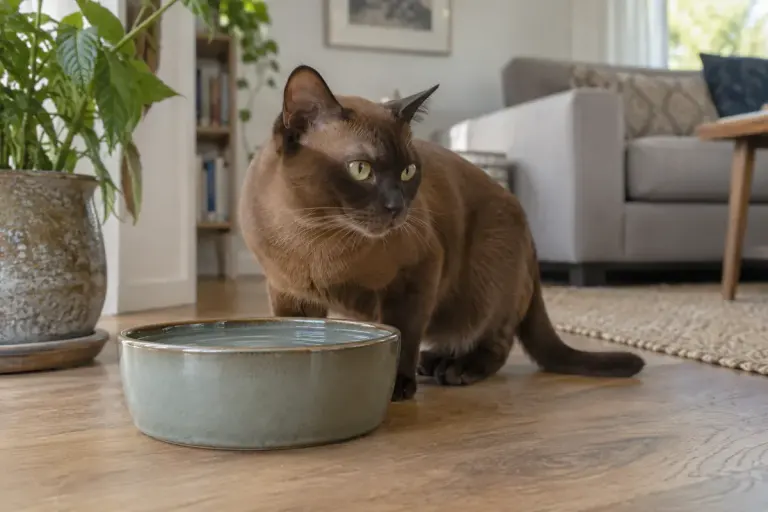
Offer fresh water in accessible, quiet locations and observe your cat’s preferences, while treating a marked change in drinking as a reason to contact the vet.
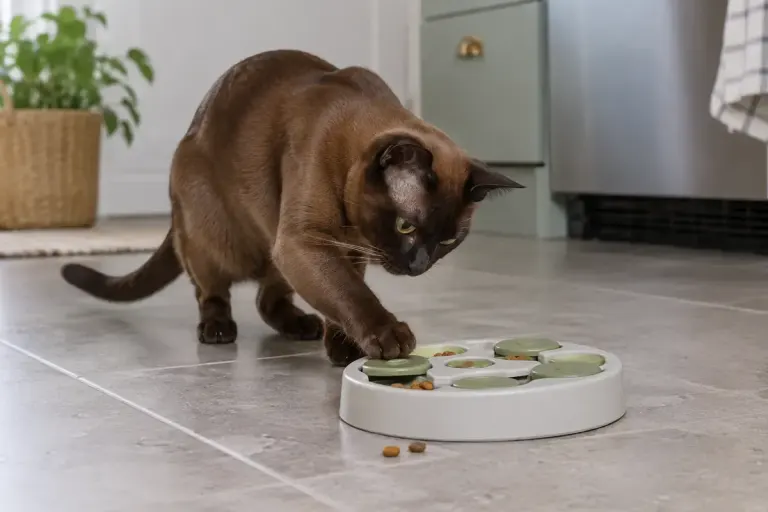
Introduce a cat food puzzle with visible, easy-to-reach food, then adjust the difficulty to the individual cat’s interest and ability.

Plan a window perch around secure support, an easy approach and a protected window, then let your cat decide whether the viewing spot suits them.