
Cat Behaviour
A Cat’s Kneading Is a Behaviour to Observe in Context
Observe kneading alongside a cat’s posture and routine, protect your lap comfortably and seek veterinary advice for a new or concerning change.

Thoughtful reading on cats, daily care and the Burmese breed.
Observe kneading alongside a cat’s posture and routine, protect your lap comfortably and seek veterinary advice for a new or concerning change.

Interpret a cat’s tail alongside ears, posture and the situation, allowing the cat space and avoiding conclusions based on one movement alone.
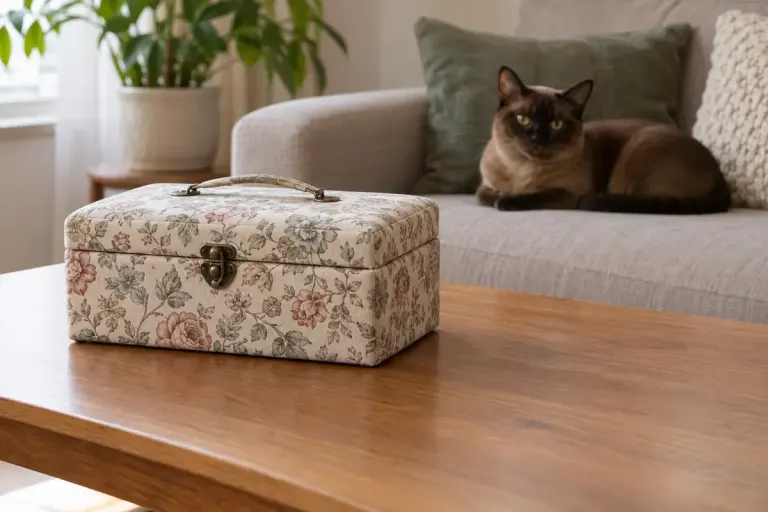
Store thread, ribbon and dental floss securely around cats. If swallowing is suspected, contact a veterinarian promptly instead of pulling at visible string.
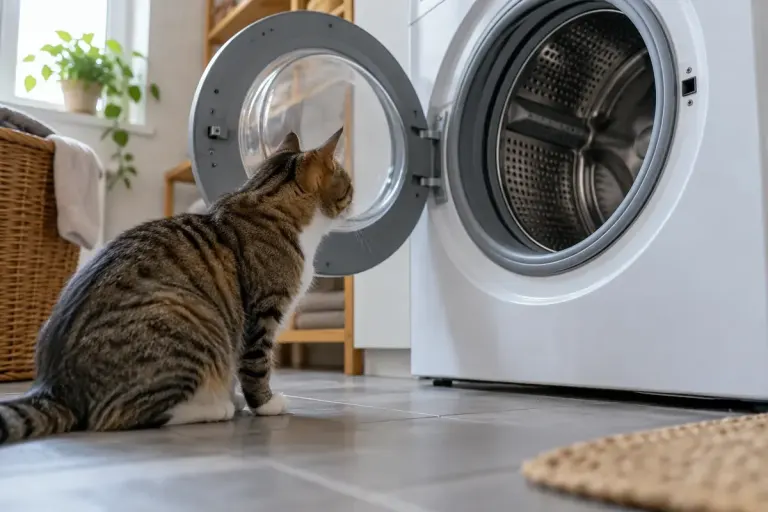
Add a visual drum check to the laundry routine and keep cats away from open washing machines and dryers.

Prepare a cat-friendly home work area by securing cables, clearing small loose items and checking windows before your cat settles beside the desk.
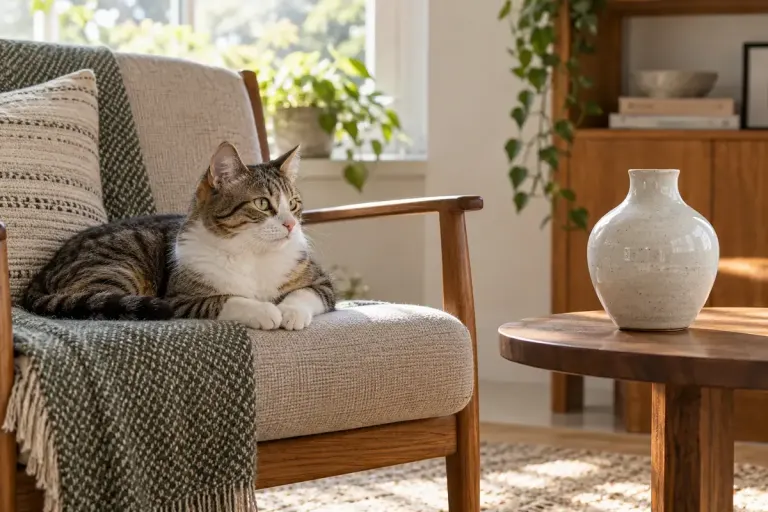
Check bouquets before they enter a cat household, understand the serious risk from true lilies and daylilies, and seek urgent veterinary help after suspected exposure.
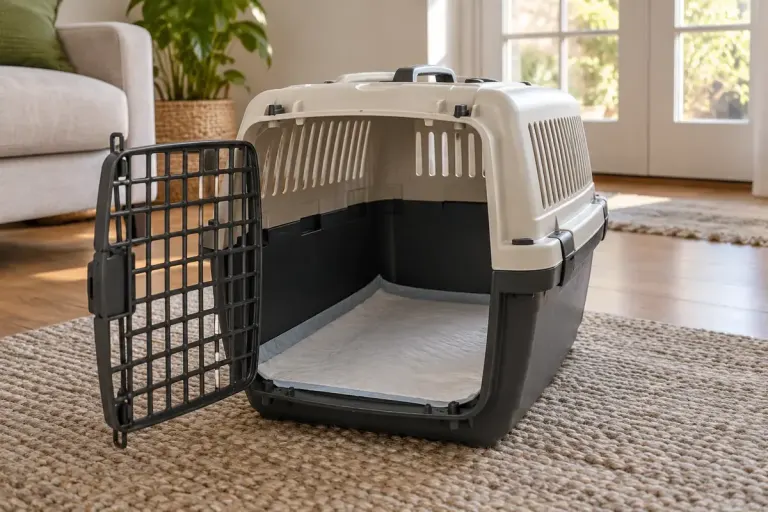
Choose and fit absorbent bedding for a cat carrier, prepare a spare and keep cleaning arrangements practical without crowding the travel space.

Consistent weighing can make changes easier to discuss with a vet. Use a safe method, record the units and avoid treating one number as a diagnosis.
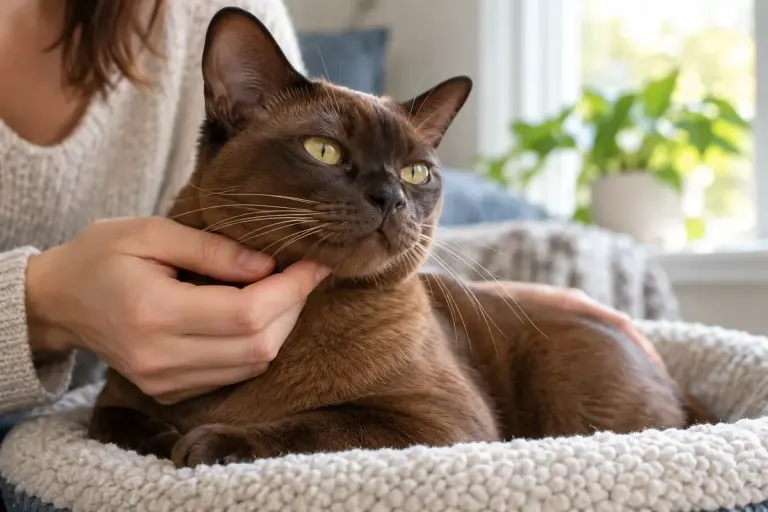
Understand why a cat’s whiskers should remain untouched during grooming and how to handle a concern about damaged or missing whiskers.