
Cat Behaviour
A cat’s cheek rub is a scent-marking conversation
Understand a cat’s cheek rubbing as scent communication, observe the surrounding body language and recognise when a change needs veterinary advice.

Thoughtful reading on cats, daily care and the Burmese breed.
Make short cat-play sessions engaging with prey-like movement, chances to catch the toy and attention to the individual cat.
Understand a cat’s cheek rubbing as scent communication, observe the surrounding body language and recognise when a change needs veterinary advice.

Hiding can be normal for cats, but a change from their usual pattern deserves attention. Observe the wider picture and seek veterinary advice when needed.

A gentle slow blink can be a quiet interaction with a cat, but the cat should remain free to look away or leave.
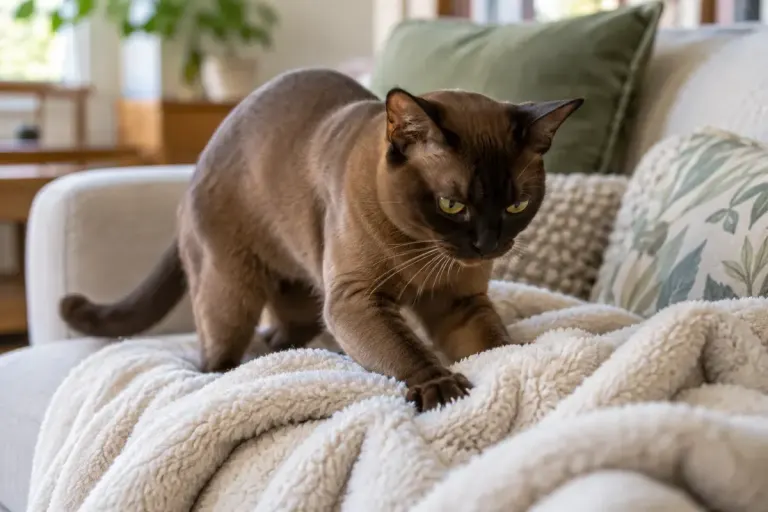
Observe kneading alongside a cat’s posture and routine, protect your lap comfortably and seek veterinary advice for a new or concerning change.
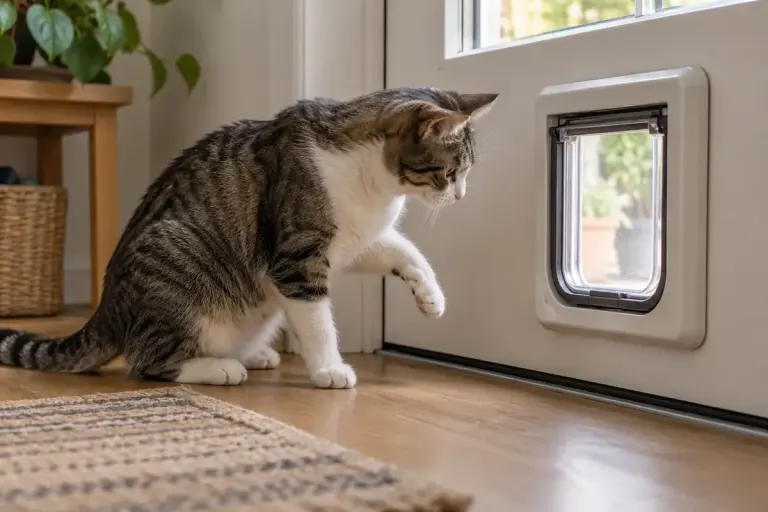
Introduce a cat flap gradually in a safe setting and keep another reliable access route available while your cat learns how it works.
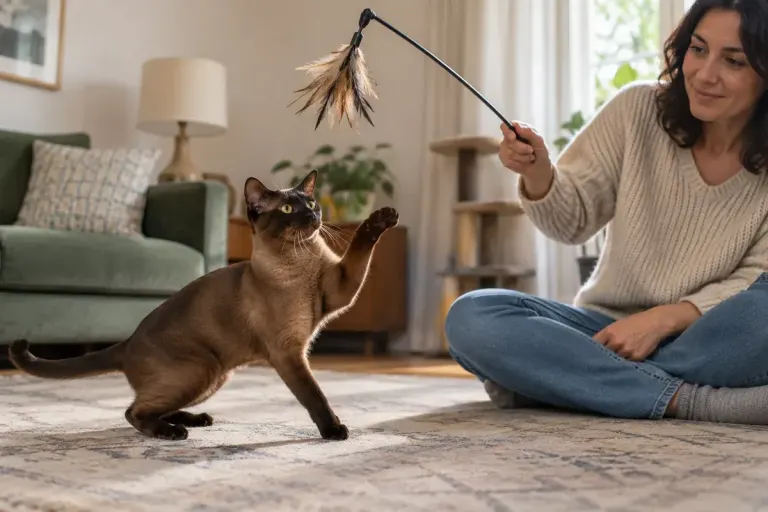
Make short cat-play sessions engaging with prey-like movement, chances to catch the toy and attention to the individual cat.