Living With Cats
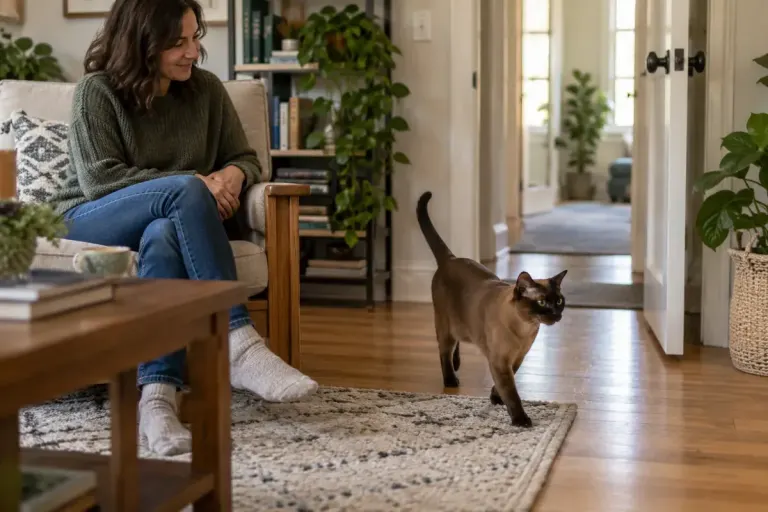
Give a cat a clear route away from a visitor’s chair
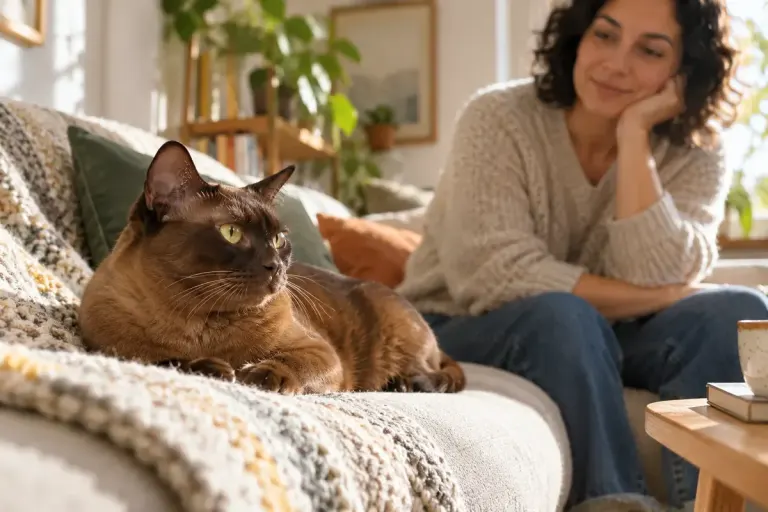
Arrange visitor seating so a cat can move away to a safe indoor retreat, and let the cat choose whether to approach unfamiliar people.

Thoughtful reading on cats, daily care and the Burmese breed.
Arrange visitor seating so a cat can move away to a safe indoor retreat, and let the cat choose whether to approach unfamiliar people.
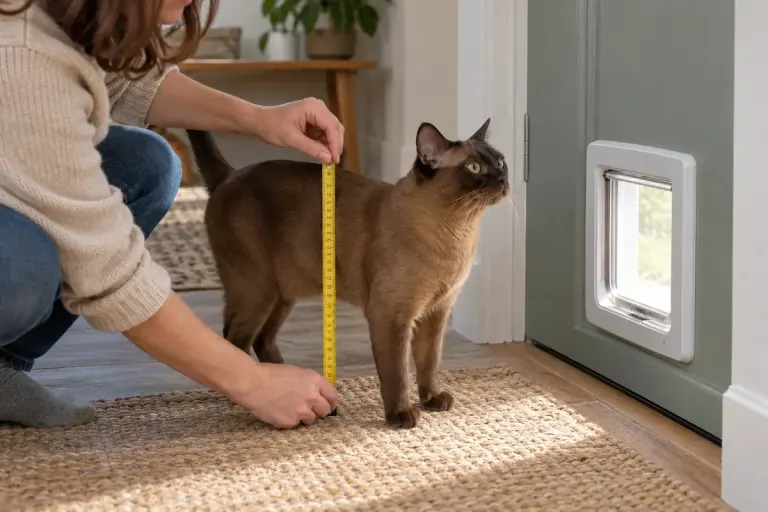
Compare your cat’s measurements with the usable flap opening, then check installation height and access before cutting a door or wall.
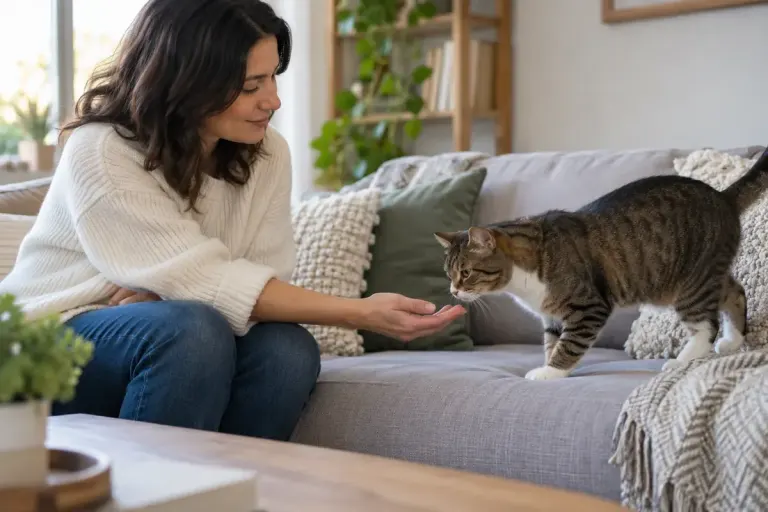
Read a cat’s willingness to interact before lifting, support the body appropriately and choose alternatives when handling causes discomfort or distress.
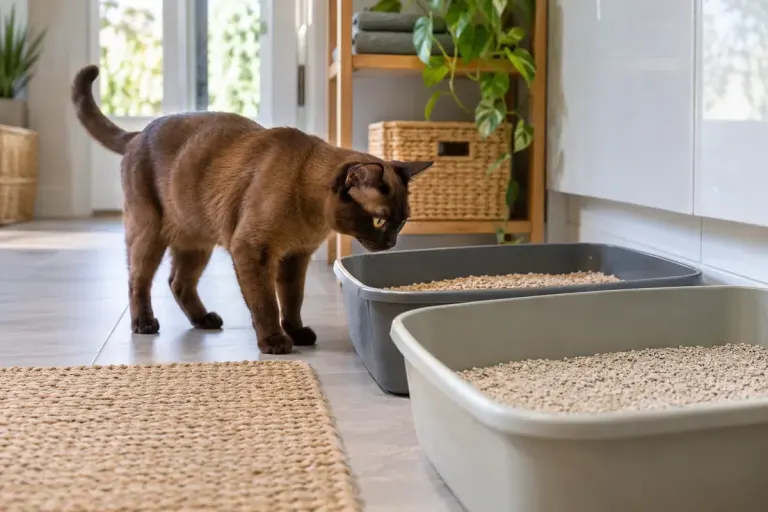
Introduce a different cat litter gradually while preserving a familiar option, and seek veterinary advice if toileting behaviour changes unexpectedly.
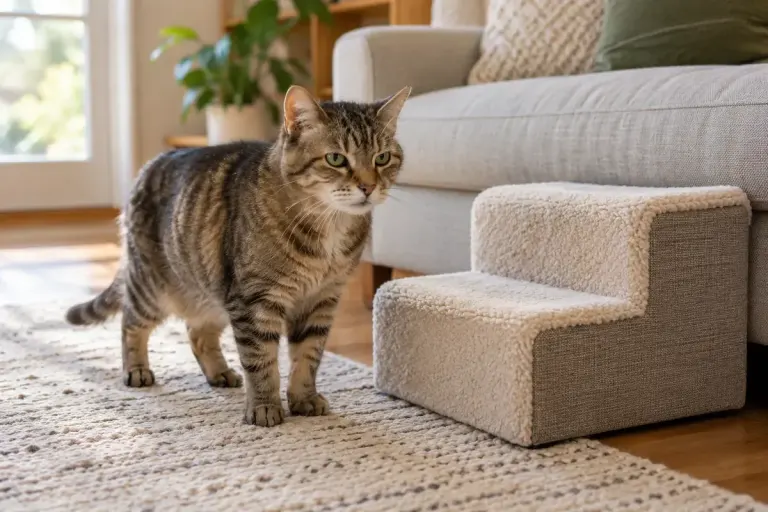
Notice changes in a cat’s jumping habits, record them without forcing a demonstration and seek veterinary advice rather than assuming ordinary ageing.
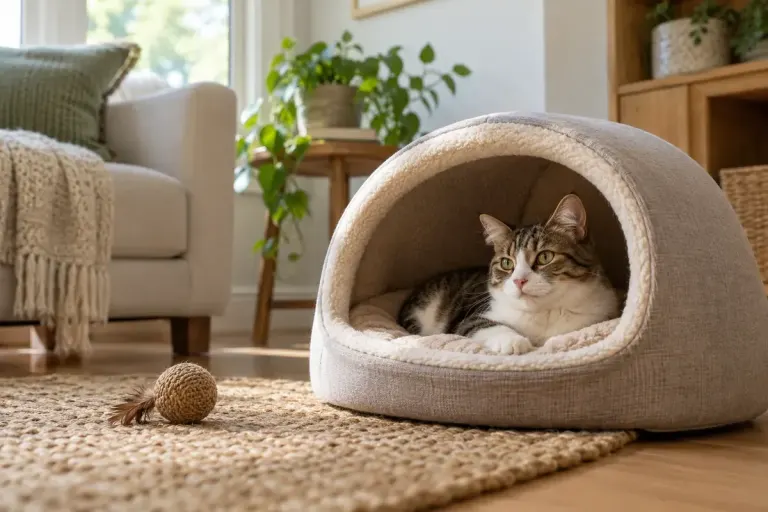
Hiding can be normal for cats, but a change from their usual pattern deserves attention. Observe the wider picture and seek veterinary advice when needed.
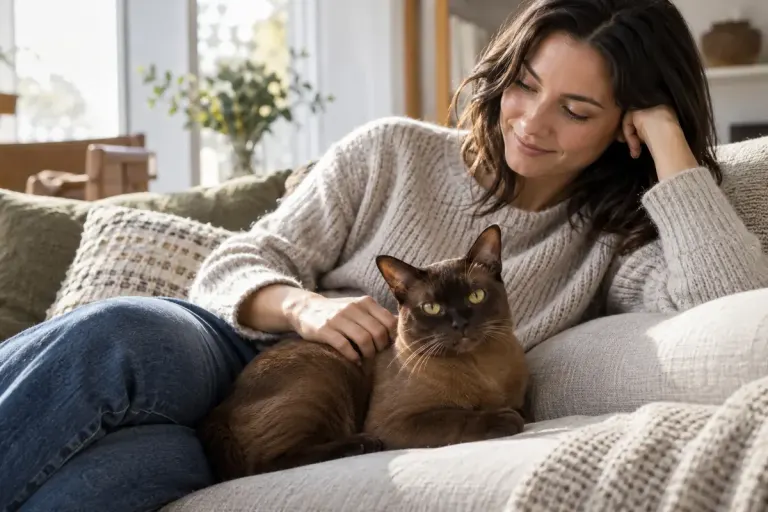
A purring cat may be content, but the sound alone cannot rule out stress or pain. Read it alongside behaviour and changes from the cat’s usual routine.
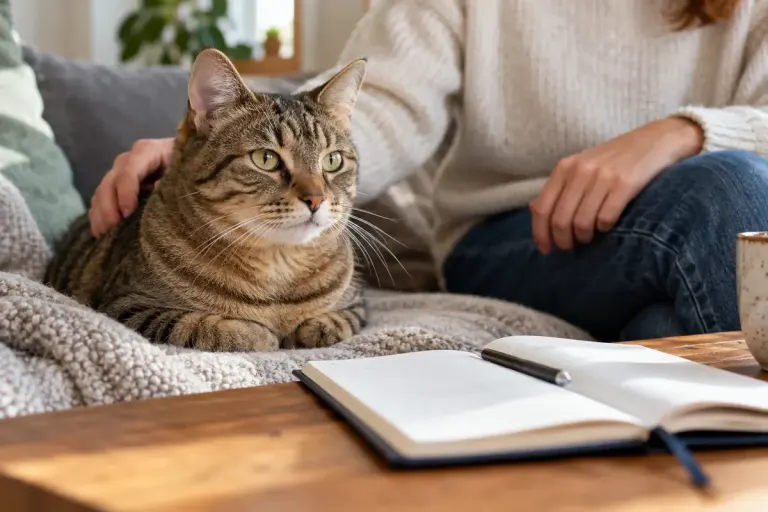
Notice changes in a cat’s third eyelid and contact a veterinarian promptly rather than trying to diagnose or treat the eye at home.
A gentle slow blink can be a quiet interaction with a cat, but the cat should remain free to look away or leave.